Delving into the realm of vinyl house exteriors, this guide offers a detailed look at the benefits, installation process, maintenance tips, and cost considerations of using vinyl siding for your home. Whether you’re considering a makeover or simply curious about this popular choice, this overview will provide you with valuable insights to make an informed decision.
Vinyl House Exterior Overview
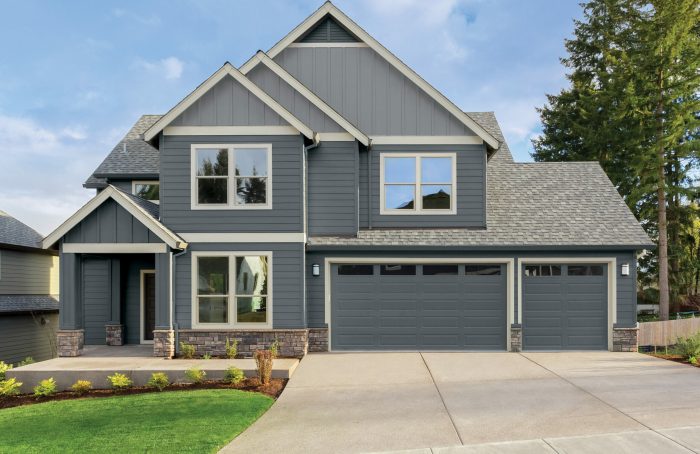
Vinyl siding is a popular choice for house exteriors due to its numerous benefits. It is known for being durable, low-maintenance, and cost-effective, making it a practical option for homeowners.
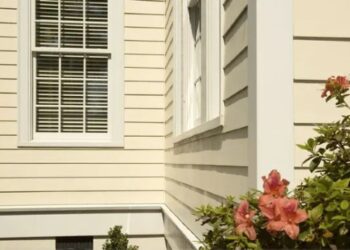
When it comes to styles and colors, vinyl siding offers a wide range of options to suit different tastes and preferences. From traditional horizontal panels to modern vertical designs, homeowners can choose from a variety of styles to enhance the aesthetic appeal of their homes.
Additionally, vinyl siding comes in an array of colors, allowing homeowners to customize the look of their exteriors to complement their overall design scheme.
Comparison to Other House Exterior Materials
- Durability:Vinyl siding is highly durable and resistant to harsh weather conditions, making it a long-lasting option compared to materials like wood or aluminum.
- Maintenance:Vinyl siding requires minimal maintenance, as it does not need to be painted or stained regularly like wood siding.
- Cost:Vinyl siding is a cost-effective choice when compared to materials like brick or stucco, making it a budget-friendly option for homeowners.
- Variety:With a wide range of styles and colors available, vinyl siding offers more versatility in design compared to materials like stone or fiber cement.
Installation Process
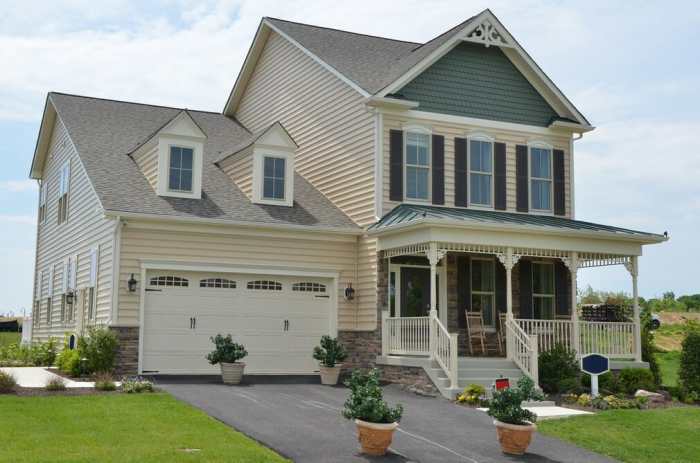
Installing vinyl siding on a house exterior involves several key steps to ensure a successful and long-lasting outcome. Let’s delve into the details of the installation process, including the necessary tools, materials, and tips for a smooth installation.
Preparation
Before starting the installation, ensure that the exterior walls are clean, smooth, and free of any debris. Remove any existing siding if necessary and repair any damaged areas to provide a solid foundation for the vinyl siding.
Tools and Materials
- Vinyl siding panels
- Siding nails or screws
- J-channel and trim pieces
- Utility knife
- Tin snips
- Level
- Tape measure
- Caulk
- Hammer or screwdriver
Installation Steps
- Begin by installing the starter strip at the bottom of the wall, ensuring it is level.
- Install the J-channel around windows, doors, and corners to receive the ends of the siding panels.
- Overlap the first panel over the starter strip and nail it in place, making sure it is level and straight.
- Continue installing panels, interlocking them with each other and securing them with nails or screws.
- Cut panels to fit around obstacles like windows and doors using a utility knife or tin snips.
- Finish the installation with trim pieces and caulk any gaps or seams for a finished look.
Tips for Success
- Follow manufacturer’s instructions carefully for proper installation techniques.
- Avoid nailing siding panels too tightly to allow for expansion and contraction with temperature changes.
- Inspect the installation regularly to ensure all panels are securely in place and properly aligned.
- Consider hiring a professional if you are unsure about any step of the installation process.
Maintenance and Care
Proper maintenance and care are essential to ensure the longevity and appearance of your vinyl house exterior. By following a few simple steps, you can keep your siding looking great for years to come.
Cleaning and Maintenance
- Regularly wash your vinyl siding with a garden hose and a mild detergent to remove dirt, grime, and mold.
- Avoid using harsh chemicals or abrasive cleaners, as they can damage the vinyl surface.
- Inspect your siding for any signs of damage, such as cracks, chips, or warping, and repair them promptly to prevent further issues.
- Trim any vegetation near the siding to prevent mold growth and damage from branches or leaves.
Common Issues and Solutions
- Fading: Over time, vinyl siding may fade due to exposure to sunlight. Consider using a vinyl-safe paint to refresh the color.
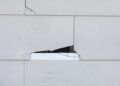
- Cracking: Extreme temperatures can cause vinyl siding to crack. Replace damaged panels to maintain the integrity of your exterior.
- Warping: Improper installation or exposure to heat can lead to warping. Ensure proper installation and ventilation to prevent this issue.
Extending Lifespan
- Regularly clean and inspect your vinyl siding to catch any issues early and prevent costly repairs.
- Avoid using pressure washers, as they can force water behind the siding and cause damage.
- Apply a UV protectant coating to help prevent fading and prolong the life of your vinyl siding.
Cost Considerations
Installing vinyl siding on a house exterior comes with various costs that need to be considered before making a decision. Let’s break down these costs and compare them to other house exterior materials in terms of installation and maintenance.
Cost Breakdown
- Vinyl siding material costs: The cost of the vinyl siding itself will depend on the quality and brand chosen. On average, homeowners can expect to pay between $2 and $7 per square foot for vinyl siding.
- Labor costs: Hiring professionals to install the vinyl siding can add significantly to the overall cost. Labor costs can range from $1 to $3 per square foot, depending on the complexity of the installation.
- Additional materials: Other materials needed for the installation, such as insulation, trim pieces, and fasteners, can also contribute to the total cost.
Comparison to Other Materials
- Installation costs: When compared to materials like wood, brick, or stucco, vinyl siding is generally more affordable to install due to its lightweight nature and ease of installation.
- Maintenance costs: Vinyl siding is known for being low maintenance, requiring only occasional cleaning with soap and water. This can result in long-term cost savings compared to materials that require regular painting or sealing.
Factors Impacting Cost
- House size: The larger the house, the more materials and labor will be required, increasing the overall cost of installing vinyl siding.
- Quality of materials: Higher quality vinyl siding will come at a higher cost but may offer better durability and longevity, potentially reducing maintenance costs in the long run.
- Additional features: Factors like architectural details, the presence of windows or doors, and the need for special tools or equipment can impact the overall cost of the installation.
Ending Remarks
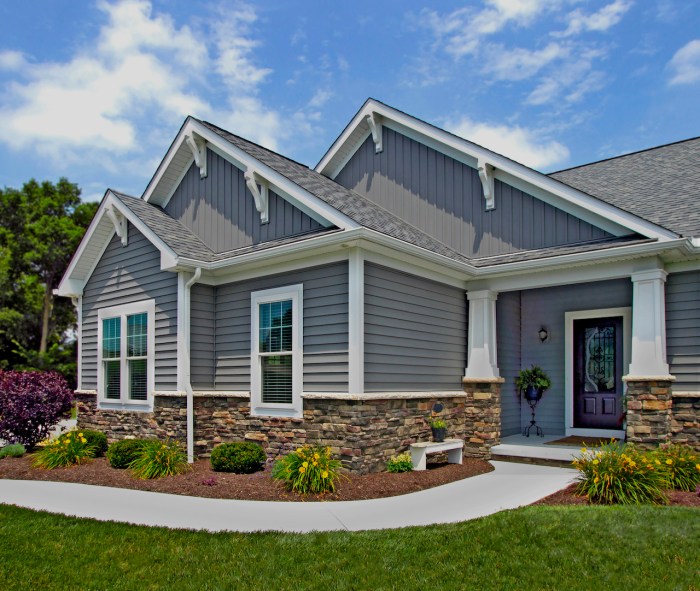
In conclusion, vinyl house exteriors offer a versatile, durable, and cost-effective solution for homeowners looking to enhance the aesthetics and functionality of their homes. By understanding the benefits, installation process, maintenance requirements, and cost considerations Artikeld in this guide, you can make a well-informed decision for your property.
Dive into the world of vinyl siding and transform your house with ease and style.
FAQ Summary
What are the benefits of using vinyl for house exteriors?
Answer: Vinyl siding is known for its durability, low maintenance requirements, versatility in styles and colors, and cost-effectiveness compared to other materials.
How do you properly clean and maintain a vinyl house exterior?
Answer: To maintain a vinyl house exterior, use a mixture of mild soap and water for cleaning, avoid harsh chemicals, regularly inspect for damage, and rinse thoroughly.
What factors can impact the overall cost of using vinyl for a house exterior?
Answer: Factors like the size of the house, quality of vinyl siding chosen, additional features like insulation, and hiring professionals for installation can impact the overall cost.