Siding replacement is a crucial aspect of home maintenance that can bring a fresh new look and improved functionality to your house. From enhancing energy efficiency to boosting curb appeal, the benefits are endless. Let’s dive into the world of siding replacement and explore everything you need to know to make informed decisions for your home.
As we delve deeper into the types of siding materials, cost considerations, hiring the right contractor, and the installation process, you’ll gain valuable insights that will guide you through this essential home improvement project.
Importance of Siding Replacement
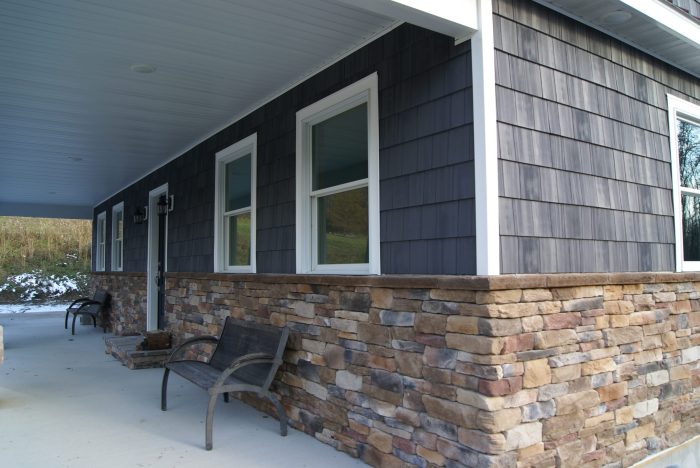
Replacing old siding on a home is crucial for various reasons. It not only enhances the aesthetics of the property but also has several practical benefits that can improve the overall quality of living.
Benefits of Replacing Old Siding
- Improved Insulation: New siding can provide better insulation, helping to regulate indoor temperatures more effectively. This can lead to reduced energy costs and a more comfortable living environment.
- Enhanced Durability: Over time, old siding can deteriorate due to exposure to the elements. By replacing it, homeowners can ensure better protection for their homes against weather damage and wear and tear.
- Increase Home Value: Upgrading the siding can significantly increase the curb appeal of a home, making it more attractive to potential buyers. This can lead to a higher resale value and faster sale of the property.
Impact of New Siding on Energy Efficiency
- Reduced Energy Costs: With improved insulation provided by new siding, homeowners can experience lower energy bills as the HVAC system operates more efficiently.
- Eco-Friendly Option: Energy-efficient siding can contribute to a more sustainable lifestyle, reducing the carbon footprint of the household and promoting environmental conservation.
Enhancing Curb Appeal with Siding Replacement
- Updated Look: New siding can completely transform the appearance of a home, giving it a fresh and modern look that can attract attention and admiration from neighbors and visitors.
- Personalization Options: With a wide range of siding materials, colors, and textures available, homeowners can customize the look of their homes to reflect their personal style and preferences.
Types of Siding Materials
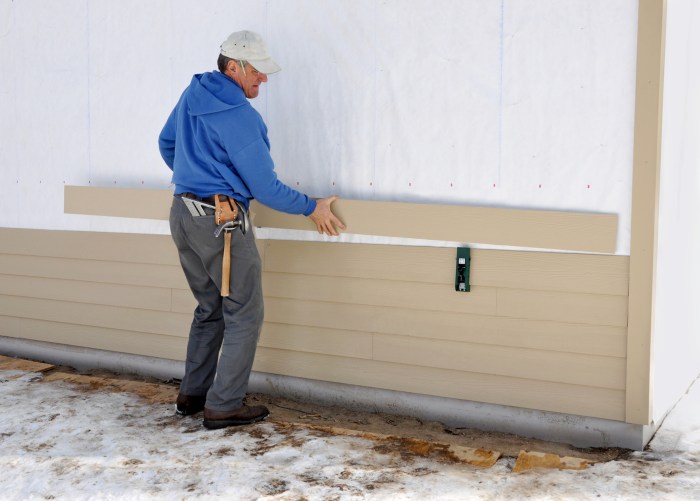
When it comes to siding materials, there are several options available, each with its own unique characteristics and benefits. Let’s explore some of the most common types of siding materials used in residential construction.
Vinyl Siding
Vinyl siding is one of the most popular choices for homeowners due to its affordability and low maintenance requirements. It is durable, resistant to rot, and comes in a wide range of colors and styles. However, it may crack or fade over time, especially in extreme weather conditions.
Wood Siding
Wood siding offers a natural and timeless look to a home. It can be painted or stained to match any design preference. While wood siding is aesthetically pleasing, it requires regular maintenance such as painting, staining, and sealing to protect it from moisture, insects, and rot.
Fiber Cement Siding
Fiber cement siding is a durable and low-maintenance option that can mimic the look of wood, stucco, or masonry. It is resistant to fire, rot, and pests, making it a popular choice for homeowners seeking longevity and durability. However, fiber cement siding can be more expensive than vinyl or wood siding.
Metal Siding
Metal siding, such as aluminum or steel, is known for its strength and longevity. It is resistant to fire, rot, and pests, making it a durable option for homes in harsh climates. Metal siding is available in a variety of finishes and can be painted to match any design aesthetic.
However, it may dent or scratch easily and can be prone to corrosion if not properly maintained.
Cost Considerations
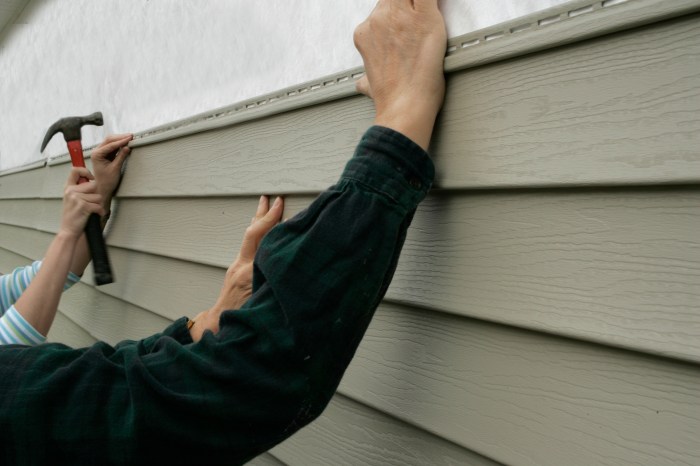
When planning for a siding replacement project, it’s important to consider the cost factors that can influence the overall budget. Understanding these factors and implementing effective budgeting strategies can help ensure a successful and cost-effective project. Additionally, investing in high-quality siding materials can lead to long-term cost savings by reducing maintenance and repair expenses.
Factors Influencing Cost
- The size of the property: The larger the property, the more materials will be required, leading to higher costs.
- Choice of siding material: Different siding materials come at varying price points, with some options being more expensive than others.
- Labor costs: Hiring professionals for installation can add to the overall cost of the project.
- Additional features: Factors such as trim work, insulation, and any repairs needed prior to installation can impact the total cost.
Tips for Budgeting
- Get multiple quotes from different contractors to compare prices and services.
- Set aside a contingency fund for unexpected expenses that may arise during the project.
- Consider the long-term benefits of investing in high-quality materials that may initially cost more but can save money on maintenance and repairs in the future.
- Plan ahead and prioritize the essential aspects of the project to avoid overspending.
Long-Term Cost Savings
- High-quality siding materials are more durable and require less maintenance over time, reducing the need for frequent repairs.
- Energy-efficient siding options can help lower heating and cooling costs by improving insulation and reducing energy consumption.
- Choosing a reputable contractor for installation can ensure that the siding is properly installed, minimizing the risk of future issues that may incur additional costs.
Hiring a Contractor
When it comes to replacing your siding, hiring a reputable contractor is crucial to ensuring the job is done correctly and efficiently. Here are some steps to consider when selecting a siding contractor:
Steps in Selecting a Reputable Siding Contractor
- Research potential contractors in your area and ask for recommendations from friends, family, or neighbors.
- Check online reviews and ratings to get an idea of the contractor’s reputation and quality of work.
- Ask for proof of licenses and insurance to ensure the contractor is qualified and covered in case of any accidents.
- Get multiple quotes from different contractors to compare prices and services offered.
- Ask for references from past clients and follow up to get feedback on their experiences with the contractor.
Red Flags to Watch Out for When Hiring a Siding Replacement Professional
- Avoid contractors who pressure you into making a decision quickly or offer unusually low prices that seem too good to be true.
- Be wary of contractors who are not willing to provide proof of licenses, insurance, or references.
- Stay away from contractors who do not have a physical address or contact information.
- Watch out for contractors who are not transparent about their process, materials used, or timeline for completing the project.
Importance of Checking Licenses, Insurance, and References
Checking a contractor’s licenses, insurance, and references is essential to protect yourself and your investment. A licensed contractor ensures that they have the necessary qualifications and expertise to perform the job. Insurance coverage protects you from liability in case of accidents or damages during the project.
Checking references gives you insights into the contractor’s past work and reliability, helping you make an informed decision.
Preparation and Installation Process
When it comes to replacing siding on a home, proper preparation and installation are crucial for the longevity and effectiveness of the new siding. This process involves a series of steps to ensure the project is completed successfully.
Preparing for Siding Replacement
- Remove existing siding: The first step is to remove the old siding carefully to avoid damaging the underlying structure.
- Inspect for damage: Once the old siding is removed, it is essential to inspect the sheathing and framing for any damage that needs to be repaired before installing the new siding.
- Repair and replace: Any damaged sheathing or framing should be repaired or replaced to provide a solid foundation for the new siding.
- Wrap and seal: After repairs are made, a moisture barrier should be installed to protect against water damage.
Typical Timeline for Siding Replacement
- Preparation: The preparation phase, including removing old siding and making necessary repairs, can take anywhere from a few days to a week, depending on the extent of the damage.
- Installation: The actual installation of the new siding typically takes 1-2 weeks, again depending on the size of the home and the type of siding being installed.
- Finishing touches: Once the siding is installed, finishing touches such as trim work and painting may take an additional few days to complete.
Importance of Proper Installation Techniques
Proper installation techniques are essential for ensuring the longevity and effectiveness of new siding. Improper installation can lead to issues such as water infiltration, warping, and poor insulation. It is crucial to hire a professional contractor with experience in siding installation to ensure the job is done correctly and to avoid costly repairs down the line.
Epilogue
In conclusion, siding replacement is not just about upgrading the exterior of your home; it’s about creating a more comfortable and efficient living space. By understanding the different aspects of siding replacement, you are empowered to make the best choices for your home.
Now, go forth and embark on this journey to transform your house into a beautiful and functional sanctuary.
Top FAQs
What are the benefits of replacing old siding?
Replacing old siding can improve energy efficiency, enhance curb appeal, and protect your home from weather elements.
What are the maintenance requirements for vinyl siding?
Vinyl siding is low maintenance and only requires occasional cleaning with soap and water.
How can I budget for a siding replacement project?
You can budget for a siding replacement project by getting multiple quotes from contractors, considering the size of your home, and factoring in additional costs for any necessary repairs.
What red flags should I watch out for when hiring a siding replacement professional?
Red flags include contractors who ask for full payment upfront, lack of proper licensing and insurance, and no references or reviews.
What is the typical timeline for a siding replacement project?
The timeline for a siding replacement project can vary depending on the size of the home and any additional repairs needed, but it generally takes a few weeks to complete.