When it comes to enhancing the aesthetics and protection of your home, exterior siding plays a crucial role. In this comprehensive guide, we delve into the world of exterior siding, exploring different materials, factors to consider, installation tips, and sustainable options.
Get ready to discover the perfect siding solution for your home!
Types of Exterior Siding
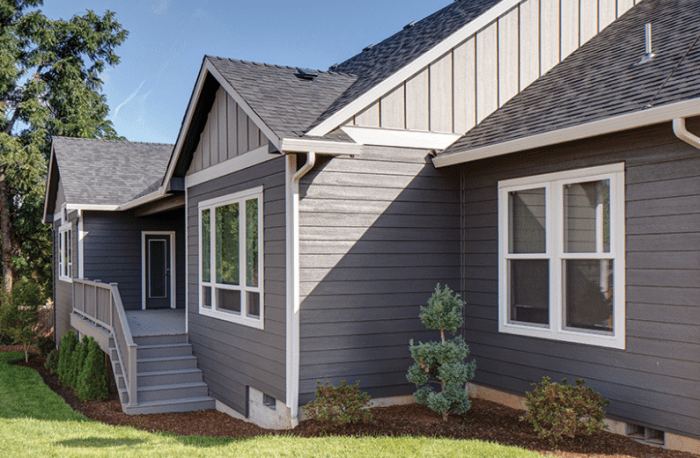
When it comes to choosing exterior siding for your home, there are several options available. Each type of siding material has its own unique characteristics, pros, and cons. Let’s take a look at some popular choices:
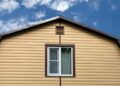
Vinyl Siding
Vinyl siding is one of the most common choices for homeowners due to its affordability and low maintenance requirements. It is available in a wide range of colors and styles, making it easy to customize the look of your home.
However, vinyl siding can crack or fade over time, and it may not be as durable as other materials.
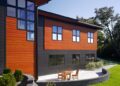
Wood Siding
Wood siding offers a natural and timeless look that many homeowners find appealing. It can be painted or stained to match your desired aesthetic, and it is also environmentally friendly. However, wood siding requires regular maintenance to prevent rot and insect damage, which can be a drawback for some homeowners.
Fiber Cement Siding
Fiber cement siding is a durable and low-maintenance option that is resistant to fire, rot, and insects. It is available in a variety of textures and can mimic the look of wood or stucco. While fiber cement siding is more expensive than vinyl, it is long-lasting and can add value to your home.
Metal Siding
Metal siding, such as aluminum or steel, is known for its durability and resistance to extreme weather conditions. It is also a sustainable option as it can be recycled at the end of its lifespan. However, metal siding can dent easily and may not offer the same aesthetic appeal as other materials.These are just a few examples of the many types of exterior siding materials available.
Consider your budget, maintenance preferences, and desired aesthetic when choosing the right siding for your home.
Factors to Consider When Choosing Exterior Siding
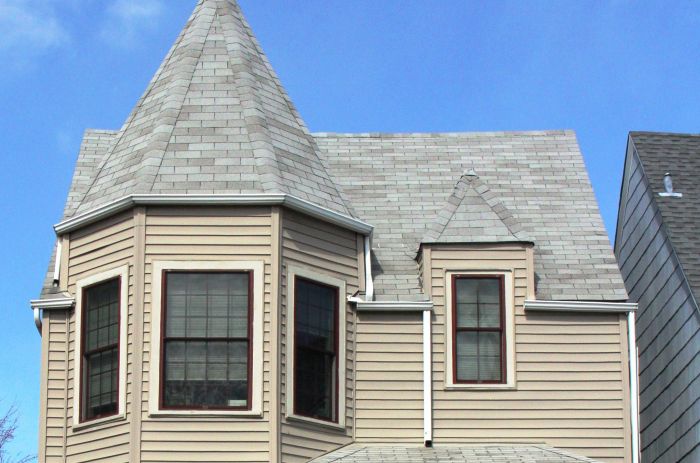
When selecting the right exterior siding for your home, several important factors need to be taken into consideration to ensure the best choice for your specific needs.
Climate Influence on Siding Choice
The climate of your region plays a crucial role in determining the most suitable siding material. For example, in areas with high humidity or frequent rainfall, moisture-resistant siding materials like vinyl or fiber cement are preferred to prevent water damage and rot.
In contrast, in regions with extreme temperature variations, such as hot summers and cold winters, insulated siding options like insulated vinyl or engineered wood may be more appropriate to improve energy efficiency.
Importance of Durability and Maintenance
Durability is a key factor when choosing exterior siding, as it directly impacts the longevity and maintenance requirements of your home’s exterior. Opting for durable siding materials like brick, stone, or fiber cement can ensure a longer lifespan and reduce the need for frequent repairs or replacements.
Additionally, considering the maintenance demands of different siding options is essential, as some materials may require regular painting, sealing, or cleaning to preserve their appearance and structural integrity.
Cost Considerations for Siding Options
Cost is another critical factor to think about when selecting exterior siding, as it can vary significantly depending on the material, installation complexity, and long-term maintenance expenses. While vinyl siding is often considered a cost-effective option with low installation and maintenance costs, premium materials like natural wood or metal siding may have a higher upfront investment but offer superior durability and aesthetic appeal.
It’s essential to weigh the initial cost against the long-term benefits and maintenance requirements to make an informed decision that fits your budget and preferences.
Installation and Maintenance Tips
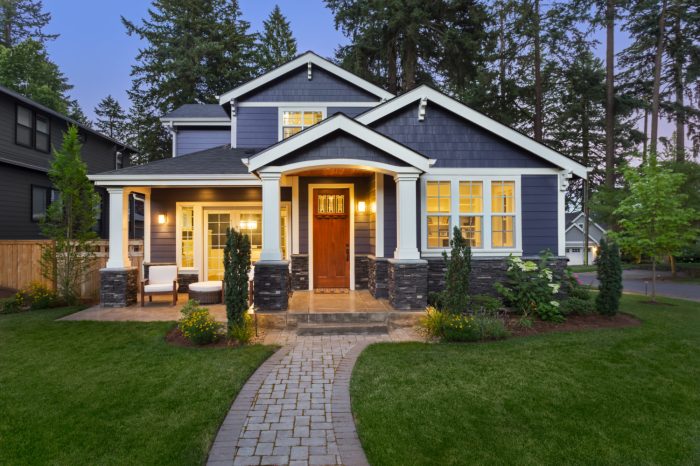
Installing exterior siding requires careful attention to detail to ensure longevity and performance. Proper maintenance is key to preserving the appearance and functionality of the siding over time. Understanding common issues that may arise with siding can help homeowners address them promptly and effectively.
Installation Steps
- Prepare the surface: Ensure the exterior surface is clean, smooth, and free of any debris before installation.
- Measure and cut: Accurately measure the dimensions of the siding panels and cut them to fit the specific area.
- Start at the bottom: Begin installing siding at the bottom of the wall and work your way up to ensure proper alignment.
- Use appropriate fasteners: Secure the siding panels with the recommended fasteners to prevent shifting or damage.
- Seal and finish: Apply caulking or sealant around windows, doors, and corners to prevent moisture infiltration.
Maintenance Tips
- Regular cleaning: Wash siding with a mild detergent and water to remove dirt, mildew, and debris.
- Inspect for damage: Check for any signs of damage, such as cracks or warping, and address them promptly.
- Repaint or reseal: Repaint or reseal siding as needed to protect against weathering and maintain appearance.
- Trim vegetation: Keep vegetation trimmed away from siding to prevent damage from moisture and pests.
Common Issues and Solutions
- Moisture damage: Ensure proper sealing and address any leaks or water infiltration immediately.
- Warping or buckling: Check for proper installation and address any issues with fasteners or alignment.
- Mold and mildew: Clean siding regularly and address any moisture issues to prevent mold growth.
- Fading color: Consider repainting or applying a UV-resistant finish to protect against sun damage.
Sustainable and Eco-Friendly Siding Options
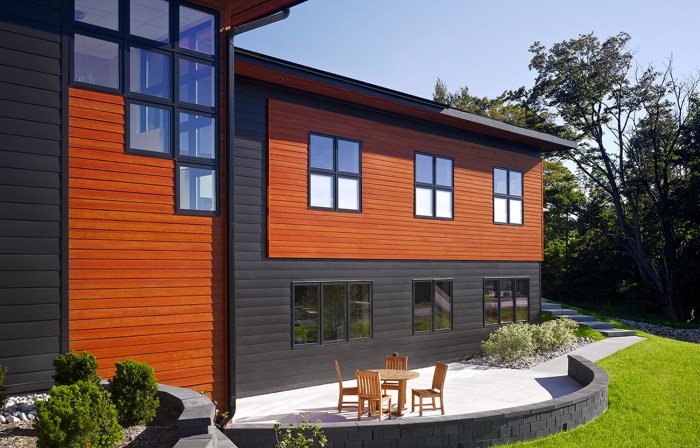
When it comes to exterior siding, choosing sustainable and eco-friendly options not only benefits the environment but also contributes to energy efficiency in your home. Let’s explore some environmentally friendly siding materials and their advantages, as well as examples of innovative eco-friendly products available in the market.
Bamboo Siding
Bamboo is a rapidly renewable resource that grows quickly and can be harvested without causing damage to the environment. Bamboo siding is durable, lightweight, and offers a unique look to your home. It is also resistant to pests and rot, making it a great eco-friendly option for siding.
Recycled Vinyl Siding
Recycled vinyl siding is made from recycled materials, reducing waste and environmental impact. It is a low-maintenance option that comes in a variety of colors and styles. Recycled vinyl siding is also durable and long-lasting, making it a sustainable choice for homeowners.
Cork Siding
Cork siding is a natural and renewable material that offers excellent insulation properties. It is resistant to mold, mildew, and pests, making it a low-maintenance option for exterior siding. Cork siding is also a great sound insulator, reducing noise pollution in your home.
Last Word
As we wrap up our exploration of exterior siding, remember that the right choice can transform your home’s appearance and durability. Whether you opt for classic wood or modern fiber cement, your siding decision will leave a lasting impact. Embrace the possibilities and make your home stand out with the perfect exterior siding choice.
Quick FAQs
What are the best types of exterior siding for humid climates?
Vinyl and fiber cement are excellent choices for humid climates due to their resistance to moisture and mold.
How often should I repaint wood siding?
Wood siding typically needs repainting every 3-7 years, depending on the climate and quality of paint used.
Are metal sidings prone to rust?
Modern metal sidings are coated to prevent rust, but proper maintenance is essential to avoid any corrosion issues.
Can I install exterior siding on my own?
While it’s possible to DIY siding installation, it’s recommended to hire professionals for a seamless and durable finish.
Do eco-friendly siding options cost more than traditional materials?
Initially, eco-friendly siding options might have a higher upfront cost, but the long-term benefits and energy savings often offset the initial investment.