As cost estimation takes center stage, this opening passage beckons readers into a world crafted with good knowledge, ensuring a reading experience that is both absorbing and distinctly original. Cost estimation is a critical aspect of project management, impacting budgeting, resource allocation, and overall project success.
Let’s delve into the intricacies of cost estimation methods, factors influencing estimates, tools and software available, as well as the challenges faced in this essential process.
Cost Estimation Methods
In project management, cost estimation is essential for planning and budgeting. There are various methods used to estimate costs, each with its own advantages and disadvantages.
Top-Down vs. Bottom-Up Cost Estimation
Top-down and bottom-up are two common approaches to cost estimation:
- Top-Down:This method involves deriving an overall project cost from high-level estimates. It is quick and less detailed but may lack accuracy.
- Bottom-Up:In contrast, bottom-up estimation involves breaking down the project into smaller components and estimating costs for each. It is more time-consuming but offers greater accuracy.
Parametric Estimation
Parametric estimation uses statistical relationships between historical data and project parameters to estimate costs. For example, estimating the cost of construction per square foot based on past projects.
Analogous Estimation
Analogous estimation involves using similar past projects as a reference point to estimate costs for the current project. This method relies on the resemblance between projects to make accurate estimates.
Factors Influencing Cost Estimation
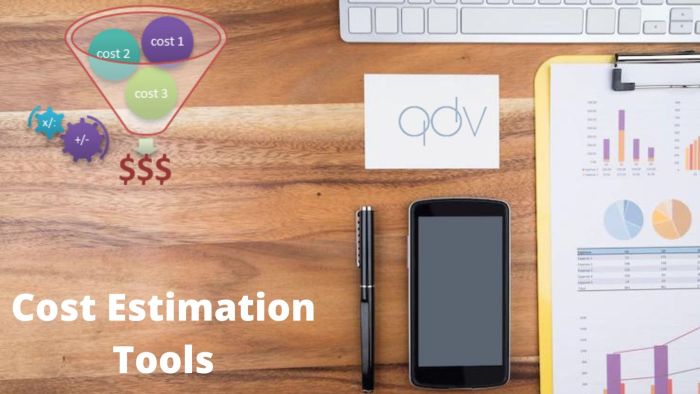
Cost estimation accuracy is influenced by several key factors that play a crucial role in determining the overall project budget. These factors include project scope, resource availability, project complexity, historical data, expert judgment, and external factors like inflation and market conditions.
Project Scope
The project scope defines the boundaries and deliverables of the project. A well-defined scope helps in accurately estimating costs by providing a clear understanding of the work involved, resources required, and timelines. Any changes in scope during the project can lead to cost overruns or delays in completion, affecting the overall cost estimation.
Resource Availability
The availability of resources such as skilled labor, materials, equipment, and technology directly impacts cost estimation. Limited availability or fluctuations in the availability of resources can lead to increased costs due to higher demand or delays in procurement. Proper resource planning is essential for accurate cost estimation.
Project Complexity
The complexity of a project, including technical challenges, interdependencies, and uncertainties, can significantly impact cost estimation. Complex projects often require more resources, time, and expertise to complete, leading to higher costs. Understanding and assessing the complexity of a project is essential for developing realistic cost estimates.
Historical Data and Expert Judgment
Utilizing historical data from past projects and expert judgment from experienced professionals can help refine cost estimates. Historical data provides insights into similar projects, costs incurred, and lessons learned, improving the accuracy of current estimates. Expert judgment involves leveraging the expertise and knowledge of professionals to account for unique project requirements and risks.
External Factors
External factors such as inflation rates, market conditions, regulatory changes, and economic trends can impact cost estimation. Fluctuations in material prices, labor costs, and currency exchange rates can lead to variations in project costs. Adapting cost estimates to account for external factors is essential to ensure project budget alignment with current market conditions.
Tools and Software for Cost Estimation
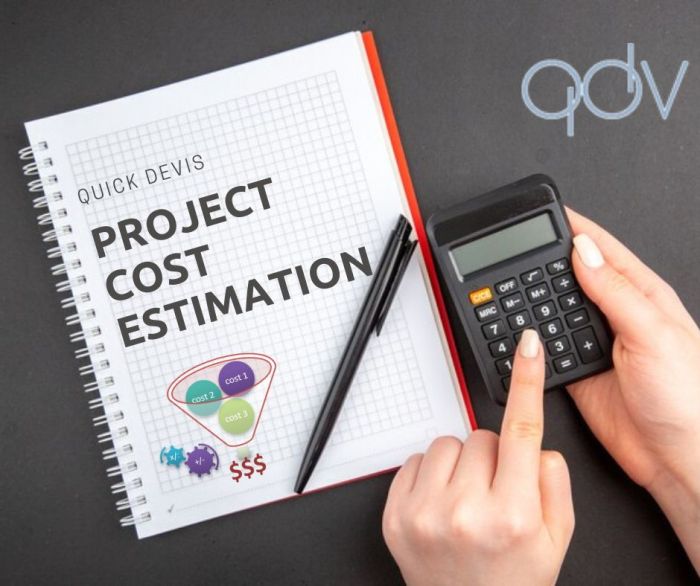
When it comes to cost estimation, using specialized tools and software can greatly enhance the accuracy and efficiency of the process. Different industries rely on various tools to estimate costs effectively. Let’s explore some popular tools and software used for cost estimation and compare their features and capabilities.
Popular Tools for Cost Estimation
- CostOS: CostOS is a comprehensive cost estimation software used in industries like construction, oil and gas, and manufacturing. It offers features such as detailed cost breakdowns, customizable templates, and integration with project management tools.
- ProEst: ProEst is another widely used software for construction cost estimation. It provides tools for creating accurate estimates, managing subcontractor bids, and generating reports. ProEst is known for its user-friendly interface and robust features.
- Sage Estimating: Sage Estimating is popular in industries such as architecture, engineering, and construction. It offers advanced cost estimation tools, database integration, and project budget tracking capabilities. Sage Estimating is known for its flexibility and scalability.
Benefits of Using Specialized Software
- Increased Accuracy: Specialized software eliminates manual errors and ensures precise cost estimates based on predefined parameters and calculations.
- Time Efficiency: These tools automate the estimation process, saving time and allowing professionals to focus on other critical aspects of the project.
- Data Management: Specialized software enables efficient data management, storage, and retrieval, making it easier to track and analyze cost-related information.
Technology Advancements in Cost Estimation
Technology advancements have revolutionized cost estimation processes, making them more accurate and efficient. With the integration of artificial intelligence, machine learning, and data analytics, software tools can now analyze vast amounts of data to provide real-time insights and predictions. These advancements have significantly improved decision-making and planning in various industries, leading to better project outcomes and cost control.
Challenges in Cost Estimation
Cost estimation is a crucial aspect of project planning, but it comes with its own set of challenges that can impact the overall success of a project. Inaccurate cost estimates can lead to budget overruns, delays, and even project failure.
It is essential to identify and address these challenges to ensure the project’s financial health and timely completion.
Volatile Market Conditions
Market conditions can fluctuate rapidly, affecting the prices of materials, labor, and other resources. These fluctuations make it challenging to predict and estimate costs accurately. To mitigate this risk, project managers can use historical data, consult industry experts, and build contingencies into their estimates to account for market volatility.
Uncertain Scope and Requirements
Incomplete or unclear project requirements can lead to scope creep, where additional work is added throughout the project lifecycle. This can impact cost estimates as the initial scope may no longer be valid. To address this challenge, project managers should conduct thorough requirements analysis, involve stakeholders in defining project scope, and regularly review and update cost estimates as the project progresses.
Limited Data Availability
In some cases, project managers may have limited access to relevant data for accurate cost estimation. This can be due to the novelty of the project, lack of historical data, or proprietary information constraints. To overcome this challenge, project managers can leverage benchmarking data, industry standards, and expert judgment to fill in the gaps and make informed cost estimates.
Over-Optimistic Assumptions
Project teams may sometimes make overly optimistic assumptions about project execution, resource availability, or risk factors, leading to underestimated cost estimates. To mitigate this risk, project managers should encourage a culture of realistic planning, conduct thorough risk assessments, and involve cross-functional teams in the estimation process to challenge assumptions and biases.
External Dependencies and Risks
External dependencies, such as regulatory changes, geopolitical events, or supplier disruptions, can introduce uncertainties that impact cost estimates. Project managers should identify and monitor these external risks, build buffers into their estimates to accommodate potential disruptions, and establish contingency plans to address unforeseen events that may affect project costs.
Last Recap
In conclusion, mastering cost estimation is crucial for project success, requiring a blend of analytical skills, industry knowledge, and technological tools. By understanding the various methods, factors, tools, and challenges associated with cost estimation, project managers can navigate the complexities of budgeting with confidence and precision.
Stay informed, stay ahead, and watch your projects thrive with accurate cost estimation.
Query Resolution
What are the key factors influencing cost estimation?
Factors such as project scope, resource availability, project complexity, historical data, and expert judgment play a significant role in determining the accuracy of cost estimates.
How do top-down and bottom-up cost estimation approaches differ?
Top-down estimates start with an overall figure and then break it down, while bottom-up estimates involve detailed calculations from the ground up.
What are some common challenges in cost estimation?
Common challenges include inaccurate data, unforeseen project changes, external factors like inflation, and the implications of inaccurate estimates on project success.