Commercial siding plays a crucial role in enhancing the appearance and functionality of buildings, making it a key aspect of construction and design projects. From choosing the right materials to understanding the installation process, this guide delves into the world of commercial siding with depth and clarity.
As we unravel the intricacies of commercial siding, readers will gain valuable insights into maintenance practices, cost considerations, and more, setting the stage for informed decision-making in any commercial construction endeavor.
Overview of Commercial Siding
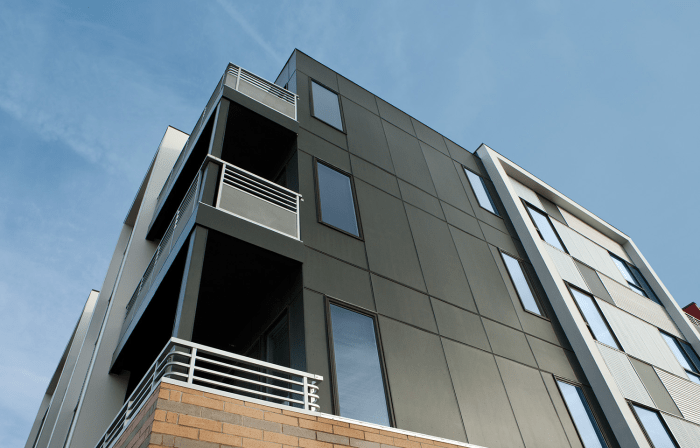
Commercial siding plays a crucial role in protecting buildings from the elements and enhancing their aesthetic appeal. It serves as a shield against rain, wind, and other environmental factors while also contributing to the overall design of the structure.
Types of Materials Used in Commercial Siding
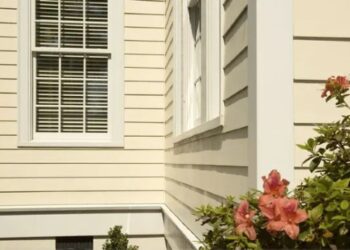
- Vinyl: Known for its affordability, low maintenance, and versatility in design options.
- Wood: Provides a classic look and can be customized, but requires regular maintenance.
- Metal: Offers durability and strength, commonly used in modern and industrial designs.
- Fiber Cement: Resistant to fire, insects, and rot, suitable for harsh climates.
Key Factors to Consider When Choosing Commercial Siding Options
- Budget: Determine the cost of materials, installation, and long-term maintenance.
- Durability: Select a material that can withstand the local climate conditions.
- Aesthetics: Consider the design and style that best fits the building’s overall look.
- Maintenance: Evaluate the effort required to upkeep the siding over time.
Examples of Buildings with Distinctive Commercial Siding
- Empire State Building: Features limestone and granite exterior cladding, showcasing a timeless and elegant design.
- Guggenheim Museum: Utilizes a unique titanium and glass facade, creating a striking and modern appearance.
- Google Headquarters: Incorporates colorful panels and innovative materials to reflect the company’s creativity and innovation.
Installation Process
Installing commercial siding involves a step-by-step process that requires attention to detail and proper technique to ensure a successful outcome. Here, we will discuss the key steps, provide tips for a smooth installation, address common challenges, and compare different techniques for various siding materials.
Step-by-Step Process
- Prepare the surface: Ensure the area is clean, dry, and free of any debris before starting the installation.
- Measure and cut: Accurately measure the dimensions of the siding panels and cut them to fit the surface properly.
- Install corner pieces: Begin by installing corner pieces to provide a starting point for the siding panels.
- Attach siding panels: Secure the siding panels to the surface using the appropriate fasteners and techniques.
- Finish with trim: Complete the installation by adding trim pieces to cover edges and create a polished look.
Tips for Successful Installation
- Follow manufacturer guidelines: Always refer to the manufacturer’s instructions for the specific siding material you are working with.
- Use the right tools: Make sure you have the necessary tools for the job, including a level, saw, and fasteners.
- Work in dry conditions: Avoid installing siding during rainy or humid weather to prevent moisture-related issues.
Common Challenges
- Warped panels: Straighten warped panels before installation to ensure a seamless finish.
- Misalignment: Take care to properly align each siding panel to maintain a uniform appearance.
- Mold and mildew: Prevent mold and mildew growth by addressing any moisture issues before installing siding.
Installation Techniques for Different Materials
Depending on the type of siding material you are working with, different installation techniques may be required. For example, vinyl siding typically involves interlocking panels, while fiber cement siding may require special cutting tools for precision. It is essential to research and understand the specific requirements for each material to achieve the best results.
Maintenance and Repair
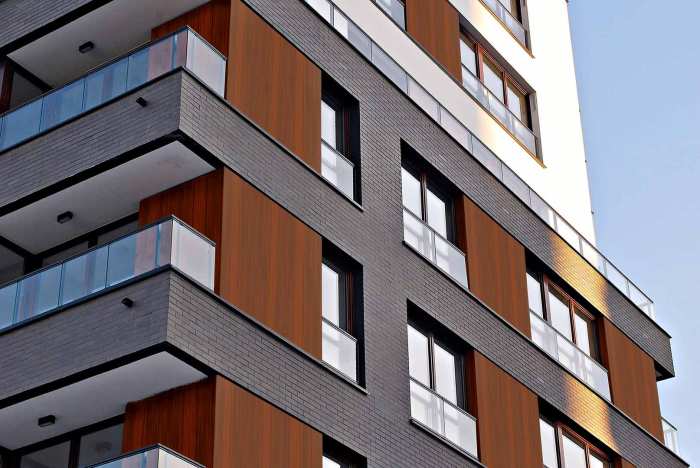
Regular maintenance and timely repairs are essential to ensure the longevity and performance of commercial siding. By following recommended practices and addressing common issues promptly, you can extend the lifespan of your siding and maintain its aesthetic appeal.
Recommended Maintenance Practices
- Regularly clean the siding surface to remove dirt, debris, and mildew buildup.
- Inspect for any signs of damage or wear, such as cracks, warping, or discoloration.
- Trim vegetation and trees near the siding to prevent damage from branches or roots.
- Check for proper sealing and caulking to prevent water infiltration and mold growth.
Common Issues and Solutions
- Water damage: Address any leaks or water infiltration promptly to prevent rot and mold growth.
- Cracks and gaps: Fill in cracks and gaps with appropriate sealants to maintain the integrity of the siding.
- Color fading: Consider repainting or applying a protective coating to restore the siding’s appearance.
Tips for Extending Lifespan
- Regularly inspect and maintain the siding to prevent minor issues from escalating.
- Invest in high-quality materials and professional installation to ensure durability.
- Protect the siding from harsh weather conditions by applying weather-resistant coatings.
Importance of Regular Inspections
Regular inspections allow you to catch potential issues early on, preventing costly repairs and maintaining the overall condition of the siding. By conducting routine checks and addressing any issues promptly, you can ensure that your commercial siding remains in optimal condition for years to come.
Cost Considerations
When it comes to commercial siding projects, cost considerations play a crucial role in determining the overall budget and financial feasibility. Understanding the factors that influence costs, comparing different siding materials, budgeting effectively, and evaluating the return on investment are essential aspects to consider.
Factors Influencing Cost
- The size of the building: Larger buildings require more materials and labor, leading to higher costs.
- Choice of siding material: Different materials have varying costs, with some being more expensive than others.
- Complexity of the installation: Intricate designs or hard-to-reach areas can increase labor costs.
- Additional features: Accessories like trim, insulation, and finishes can add to the overall cost.
Comparison of Siding Materials
- Vinyl siding: Among the most affordable options, offering a good balance of cost and durability.
- Fiber cement siding: Moderately priced, known for its longevity and low maintenance requirements.
- Metal siding: Can be cost-effective but may require additional insulation for energy efficiency.
- Wood siding: Generally more expensive due to the material cost and higher maintenance needs.
Effective Budgeting Strategies
- Get multiple quotes from different contractors to compare prices and services.
- Allocate a contingency fund for unexpected expenses that may arise during the project.
- Consider long-term costs and benefits when choosing the siding material to ensure durability and cost-effectiveness.
Return on Investment
- High-quality commercial siding can enhance the aesthetics and value of the building, leading to a higher resale value.
- Energy-efficient siding materials can help reduce heating and cooling costs, providing long-term savings.
- Properly maintained siding can prolong its lifespan, minimizing the need for frequent repairs and replacements.
Wrap-Up
In conclusion, commercial siding stands as a pivotal element in the realm of architecture and construction, offering durability, aesthetic appeal, and practical benefits to various structures. By embracing the knowledge shared in this guide, individuals and businesses can navigate the world of commercial siding with confidence and expertise.
FAQ Compilation
What are the most common materials used in commercial siding?
Common materials include vinyl, wood, fiber cement, and metal, each offering unique benefits in terms of durability and aesthetics.
How often should commercial siding be inspected for maintenance purposes?
Regular inspections are recommended at least once a year to identify any issues early and prevent costly repairs down the line.
Is commercial siding installation a DIY-friendly project?
While some aspects can be tackled by confident DIYers, it’s generally advisable to hire professionals to ensure a proper and long-lasting installation.