Embarking on the journey of asbestos siding replacement, this guide aims to shed light on the importance, identification, replacement process, and material options. Dive in to learn more about this crucial home improvement task.
Importance of Asbestos Siding Replacement
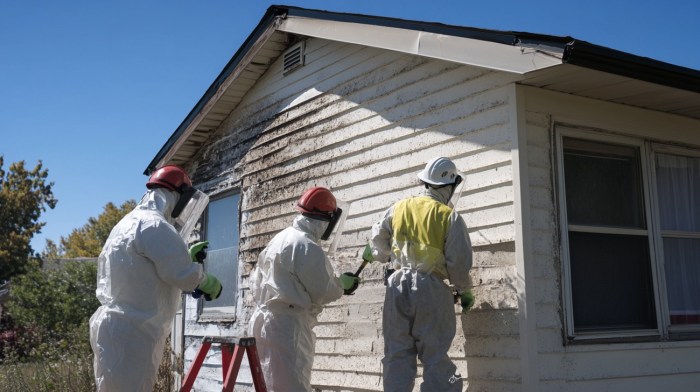
Asbestos siding replacement is crucial for the health and safety of occupants as well as the environment. Asbestos, when disturbed or damaged, can release harmful fibers into the air, posing serious health risks.
Risks Associated with Asbestos Siding
- Exposure to asbestos fibers can lead to respiratory issues such as asbestosis, lung cancer, and mesothelioma.
- Older asbestos siding may become brittle over time, increasing the likelihood of fiber release.
- DIY renovations or repairs on asbestos siding can unknowingly release fibers into the air, endangering occupants.
Environmental Impact and Benefits of Replacement
Asbestos siding poses environmental risks as well, as improper disposal of asbestos-containing materials can contaminate soil and water sources. By replacing asbestos siding with safer alternatives, we can prevent further environmental pollution and promote eco-friendly practices.
Identifying Asbestos Siding
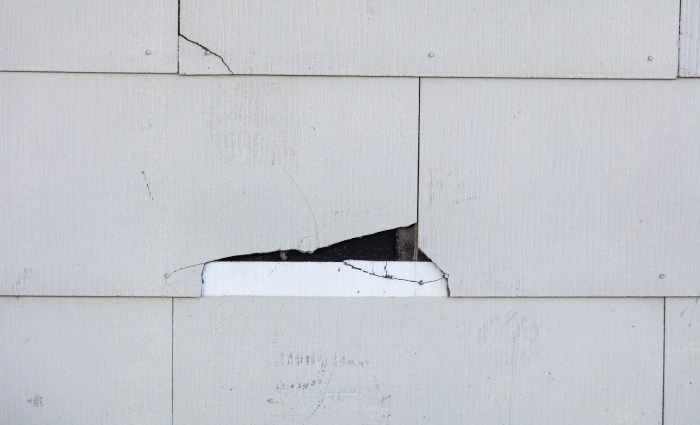
When it comes to identifying asbestos siding in homes, there are specific characteristics and signs to look out for. Asbestos was commonly used in siding materials before its health risks were fully understood, so it’s important to be able to recognize it to ensure proper removal and replacement.
How to Identify Asbestos Siding
- Check the age of the home: Asbestos was commonly used in building materials before the 1980s, so if your home was built before this time, there is a higher likelihood of asbestos-containing materials.
- Visual inspection: Asbestos siding typically has a unique appearance, resembling cement or a corrugated cardboard-like texture. It may also have a flat or wavy pattern.
- Professional inspection: To accurately identify asbestos siding, it’s crucial to seek the expertise of professionals who can conduct tests and inspections to confirm its presence.
Common Signs of Deteriorating Asbestos Siding
- Cracking or chipping: Asbestos siding can deteriorate over time, leading to visible cracks or chips in the material.
- Water damage: If the siding has been exposed to water or moisture for an extended period, it may show signs of warping, bubbling, or discoloration.
- Fading or peeling paint: Asbestos siding may exhibit signs of paint fading or peeling, which can indicate underlying issues with the material.
Importance of Professional Inspection for Asbestos Presence
Professional inspection is essential when dealing with asbestos siding because it requires specialized training and equipment to handle safely. Attempting to identify or remove asbestos materials without the proper knowledge can pose serious health risks to individuals in the vicinity.
Professionals can conduct thorough inspections, testing, and provide guidance on safe removal and replacement procedures.
Asbestos Siding Replacement Process
When it comes to replacing asbestos siding, it is crucial to follow specific steps to ensure the safe removal and disposal of asbestos-containing materials. This process requires careful planning and adherence to safety measures to protect both the individuals performing the removal and the surrounding environment.
Steps Involved in Replacing Asbestos Siding
- 1. Inspection: Begin by inspecting the asbestos siding to determine the extent of the contamination and plan the removal process accordingly.
- 2. Preparation: Before starting the removal, make sure to secure the area, wear appropriate protective gear, and set up containment barriers to prevent the spread of asbestos fibers.
- 3. Removal: Carefully remove the asbestos siding using proper techniques and tools to minimize the release of fibers into the air.
- 4. Cleanup: Thoroughly clean the work area and surrounding areas to ensure all asbestos fibers are removed, using HEPA vacuums and wet wiping methods.
- 5. Disposal: Properly package the asbestos-containing materials in leak-tight containers and dispose of them at designated waste facilities following local regulations.
Safety Measures During the Removal Process
- 1. Wear protective gear such as disposable coveralls, gloves, masks, and goggles to prevent exposure to asbestos fibers.
- 2. Use wet removal methods and minimize the use of power tools to reduce the generation of dust.
- 3. Work in well-ventilated areas and avoid eating, drinking, or smoking in the work area.
- 4. Properly seal off the work area to prevent the spread of asbestos fibers to other parts of the building.
Disposal Methods for Asbestos-Containing Materials
- 1. Double bag the asbestos-containing materials in thick plastic bags labeled for asbestos disposal.
- 2. Transport the waste to an approved landfill or disposal site that accepts asbestos materials.
- 3. Follow local regulations for asbestos disposal and ensure proper documentation of the disposal process.
Choosing Replacement Materials
When it comes to replacing asbestos siding, choosing the right replacement materials is crucial. Not only do you want to ensure the safety of your home, but you also want to consider factors like durability, maintenance, and cost.
Vinyl Siding
Vinyl siding is a popular choice for replacement due to its affordability and low maintenance requirements. It is durable, resistant to rot and insects, and comes in a variety of colors and styles. However, it may not be as long-lasting as other options and can crack or fade over time.
Fiber Cement Siding
Fiber cement siding is known for its durability and resistance to fire, rot, and insects. It can mimic the look of wood or masonry, making it a versatile option for homeowners. While it requires painting and caulking for maintenance, it is a long-lasting and sturdy choice.
Wood Siding
Wood siding provides a natural and timeless look to a home. It is environmentally friendly and can be easily painted or stained to match your desired aesthetic. However, wood siding requires regular maintenance, including staining, sealing, and potential repairs due to rot or pests.
Metal Siding
Metal siding, such as aluminum or steel, is a durable and low-maintenance option for homeowners. It is resistant to fire, rot, and insects, making it a long-lasting choice. While it may dent or scratch easily, metal siding is known for its longevity and energy efficiency.
Cost Implications
When choosing replacement materials, it’s essential to consider the cost implications. Vinyl siding is typically the most affordable option, while fiber cement and wood siding can be more expensive upfront. Metal siding falls somewhere in between, depending on the type of metal and finish chosen.
Remember to factor in installation costs, maintenance requirements, and long-term durability when making your decision.
Final Wrap-Up
In conclusion, addressing asbestos siding replacement is not just about aesthetics but also about safeguarding health and the environment. Take the necessary steps to ensure a safe and sustainable living space for you and your loved ones.
Question Bank
How can asbestos siding replacement benefit my health?
Asbestos siding replacement eliminates the health risks associated with exposure to asbestos fibers, which can cause serious respiratory illnesses.
What are the signs of deteriorating asbestos siding?
Common signs include discoloration, cracking, warping, or water damage on the siding surface.
Are there any DIY methods for asbestos siding removal?
It is highly recommended to hire professionals for asbestos siding removal due to the health hazards involved in handling asbestos-containing materials.
How do I dispose of asbestos-containing materials after replacement?
Disposal should be done following local regulations, which usually involve sealing the materials in special bags and taking them to designated disposal sites.
What are some cost-effective alternatives to asbestos siding?
Popular alternatives include fiber cement, vinyl, and wood siding, which offer durability and require minimal maintenance.