Property maintenance plays a crucial role in preserving the integrity and value of buildings. By implementing regular maintenance practices, property owners can avoid costly repairs and ensure the longevity of their investments. This comprehensive guide delves into the various aspects of property maintenance, from different types to sustainable practices, providing valuable insights for homeowners and property managers alike.
Importance of Property Maintenance
Regular property maintenance is essential for ensuring the longevity and structural integrity of buildings. By addressing small issues promptly, property owners can prevent them from escalating into larger, more costly problems down the line.
Preventing Costly Repairs
- Regular inspections and maintenance of roofing can help identify and fix leaks before they cause water damage to the interior of the property.
- Properly maintaining plumbing systems can prevent issues such as pipe leaks or blockages, which can lead to water damage and mold growth.
- Regularly servicing HVAC systems can improve their efficiency, prolong their lifespan, and prevent costly breakdowns.
Impact on Property Value
- Neglected maintenance can significantly decrease the value of a property, as potential buyers may see it as a red flag for potential hidden issues.
- Well-maintained properties tend to attract higher selling prices and can sell faster on the market compared to properties in need of significant repairs.
- Regular maintenance helps preserve the curb appeal of a property, making it more attractive to both potential buyers and tenants.
Types of Property Maintenance

Property maintenance can be categorized into different types based on the nature of the tasks involved. These include preventive maintenance, corrective maintenance, and cosmetic maintenance. Each type plays a crucial role in ensuring the upkeep and longevity of a property.
Preventive Maintenance
Preventive maintenance involves regular inspections, repairs, and upkeep to prevent potential issues from arising. It aims to identify and address problems before they escalate, ultimately saving time and money in the long run. Examples of preventive maintenance tasks include:
- Regular HVAC system inspections and filter replacements
- Annual roof inspections and repairs
- Sealing cracks in walls and driveways to prevent water damage
Corrective Maintenance
Corrective maintenance, also known as reactive maintenance, involves addressing issues that have already occurred. This type of maintenance is typically done in response to a specific problem or failure. Examples of corrective maintenance tasks include:
- Repairing a leaky faucet or pipe
- Replacing a broken window or door
- Fixing electrical issues such as faulty wiring
Cosmetic Maintenance
Cosmetic maintenance focuses on enhancing the aesthetic appeal of a property. While not always necessary for the functionality of the property, cosmetic maintenance can improve its overall appearance and value. Examples of cosmetic maintenance tasks include:
- Painting walls or fences to freshen up the look
- Replacing outdated fixtures or hardware
- Landscaping and gardening to enhance curb appeal
Property Maintenance Checklist
Maintaining your property is essential to preserving its value and ensuring its longevity. By following a comprehensive property maintenance checklist, homeowners can stay on top of necessary tasks to keep their home in top condition. This checklist is organized based on seasonal maintenance tasks, covering both interior and exterior areas of the property.
Spring Maintenance Tasks
- Clean gutters and downspouts to prevent water damage.
- Inspect roof for any damage or missing shingles.
- Service air conditioning unit to ensure optimal performance during summer.
- Check outdoor faucets and irrigation systems for leaks.
- Inspect and repair any cracks in driveways or walkways.
Summer Maintenance Tasks
- Trim trees and bushes to prevent overgrowth and potential damage.
- Check and repair window screens for proper ventilation.
- Inspect and clean outdoor furniture and grill.
- Monitor and address any pest control issues.
Fall Maintenance Tasks
- Rake leaves and clean debris from gutters and downspouts.
- Seal gaps and cracks around windows and doors to keep heat in.
- Service heating system to prepare for colder temperatures.
- Store outdoor furniture and garden tools properly for winter.
Winter Maintenance Tasks
- Shovel snow and apply ice melt on driveways and walkways.
- Check for drafts around doors and windows and add weather stripping if needed.
- Inspect and clean fireplace and chimney for safe operation.
- Keep indoor humidity levels balanced to prevent dry air damage.
Benefits of Outsourcing Property Maintenance
Outsourcing property maintenance services can offer a range of advantages for property owners, from saving time and resources to ensuring high-quality upkeep of their properties.
Cost-Effectiveness
By outsourcing property maintenance to professional service providers, property owners can benefit from cost-effective solutions. These providers often have access to bulk discounts on materials and equipment, ultimately saving money for property owners in the long run.
Expertise and Quality
Professional property maintenance companies have the expertise and experience to handle a wide range of maintenance tasks efficiently and effectively. By outsourcing maintenance, property owners can ensure that their properties are well-maintained to a high standard.
Time-Saving
Outsourcing property maintenance tasks allows property owners to focus their time and energy on other important aspects of property management. This can lead to increased productivity and better overall management of the property.
Access to Advanced Technology
Professional property maintenance companies often have access to advanced technology and tools that may not be readily available to individual property owners. By outsourcing maintenance, property owners can benefit from the use of these technologies to enhance the maintenance of their properties.
Sustainable Property Maintenance Practices
Implementing sustainable practices in property maintenance is crucial for reducing the environmental impact of buildings and ensuring long-term viability. By incorporating eco-friendly maintenance strategies, property owners can contribute to environmental conservation efforts while also reaping various benefits for their properties.
Use of Renewable Energy Sources
- Installing solar panels to harness solar energy for electricity and heating purposes.
- Utilizing geothermal systems for heating and cooling by tapping into the earth’s natural heat.
- Implementing wind turbines to generate electricity from wind power.
Water Conservation Techniques
- Adopting rainwater harvesting systems to collect and store rainwater for irrigation and other non-potable uses.
- Installing low-flow plumbing fixtures to reduce water consumption and minimize water wastage.
- Xeriscaping the property with drought-resistant plants to decrease the need for irrigation.
Energy-Efficient Building Materials and Design
- Using energy-efficient windows and insulation to improve thermal performance and reduce energy consumption.
- Opting for sustainable building materials like bamboo, recycled steel, and reclaimed wood to minimize environmental impact.
- Designing properties with passive solar heating and natural ventilation to enhance energy efficiency.
Final Thoughts
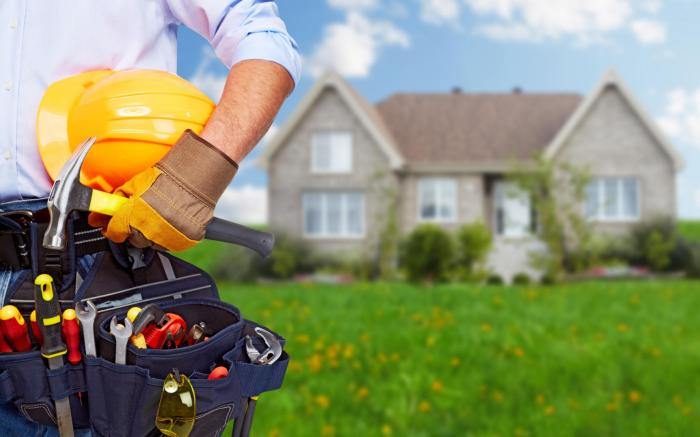
In conclusion, property maintenance is not just about fixing issues when they arise; it’s about taking proactive steps to prevent them in the first place. By following a well-structured maintenance checklist and considering outsourcing options, property owners can effectively maintain their properties and enhance their overall value.
Incorporating sustainable practices further contributes to environmental conservation and long-term benefits.
FAQ
How often should property maintenance be conducted?
Property maintenance should be conducted regularly, ideally on a seasonal basis, to address both immediate and long-term issues.
What are the benefits of preventive maintenance?
Preventive maintenance helps identify potential problems early on, saving property owners from costly repairs and preserving the building’s structural integrity.
Is outsourcing property maintenance cost-effective?
Outsourcing property maintenance can be cost-effective in the long run as it saves time, resources, and ensures that tasks are handled by professionals efficiently.
How can sustainable practices be incorporated into property maintenance?
Sustainable practices like using eco-friendly materials, energy-efficient systems, and proper waste management can be integrated into property maintenance routines to minimize environmental impact.